Sales, Marketing & Social Media Today

I write about the three topics that I am most passionate about; Sales, Marketing and Social Media. These topics are covered from my experiences in outside sales and marketing. My objective is to use my expertise to help business and the individual.

Trends in the US Auto Industry: Key Insights from the 2026 Auto Forum New York

I covered the Automotive Forum New York, the day before the New York International Auto Show. This event connects Automotive thought leaders with Manufacturers and Dealers. Attendees learned about trends and insights in the Automotive industry that focus on the dealer side of the business.

The auto forum started with an economist who analyzed the US Economy as a whole, followed by Thomas King, President, Data & Analytics Division, Chief Product Officer at JD Power, who analyzed the US auto industry, addressing the issue of disappearing EV Tax credits, a surge in lease returns that will reshape the inventory and demand planning. Thomas also addressed the issue of softening trade equity and the rise of subprime lending.

The State of the Automotive Industry

Thomas shared some interesting statistics and analysis. 

The total and retail vehicle Sales in the US for the first quarter are 3.7 million, down from a year ago on a retail basis are 2.9 million or 9% per week.

Vehicles were sold with larger discounts than the previous year at $3300 per unit. This has a negative impact on manufacturer profitability. In terms of new vehicle sales last year, the industry set an all-time high for money spent on vehicles. A great result, but a 7% decline. In terms of retail confidence on a per-unit basis, it was down $50 or $2. Retail volume was $6.1 million, a strong number that was down 10% from a year ago. 

The Automotive Industry is in good shape based on the data.

Prices are rising for vehicles. On average, a new Vehicle costs $46000, up $1000 from last year. Tariffs did not impact pricing because manufacturers absorbed them, as passing the cost to consumers would decrease sales. Manufacturers’ profitability remained stable. Manufacturers are planning to increase Sales and Market share. 

EVs are not driving Sales. With EV incentives gone, consumers are shifting to Gas Vehicles. Manufacturers are shifting back to more gas vehicles to meet consumer demand. 

In terms of lease payments, the average last year was $636 per month, and now it is $650, a modest increase for 36-month leases. With rising lease prices, dealers have a chance to convert lessees to new car buyers with 2.4 million leases ending this year. 13 percent of financed leasing sales are on loans that are 84 months or longer. Subprime lending can help increase sales if it is monitored and controlled. Subprime lending increased in the 1st quarter. 

Trade-ins were a selling point for dealers with the supply constraint back in 2022, with the average price being $29000. Vehicles traded in have lower equity because customers paid above sticker price back in 2022. 

Rising fuel prices will hurt new vehicle sales on leases because, as lease payments go up, the amount spent on gas decreases. However, people whose vehicle costs $46000 on average are less sensitive to rising gas prices. Car buyers who do not lease cars are less affected by rising gas prices. 2.8% percent of income is spent on fuel. 

Lower interest rates will make car buying and leasing less expensive. 

Consumers are on track to spend $623 million on new vehicles. Consumer spending predicted to be at an all-time high. Retailer profits are expected to be $25.4 billion, down from $28.9 million a year ago.

Volume is the same as last year, with the total number being 16.3 million and 13.6 million for retail.

Improving the Customer Experience at Auto Dealerships

A panel discussed how to improve the customer experience. Liza Borches and Rob Cochran shared their insights. The panel suggested being transparent to build customer trust, especially with pricing. Customers want to know how much a car will cost. Transparency also applies to service. Service is a profit center for dealers; this is an opportunity. Currently, there is a shortage of technicians. When customers see a price, they want to know if this is the final price. OEMs can improve the customer experience for customers by listening to and providing customers with what they want based on their needs. 

The panel also shared that dealer must use AI to automate their processes without losing a human touch. 

AI’s Impact on Car Buying

A panel AI in Auto discussed how AI is transforming vehicle buying and dealership operations. Jason Goldberg, GM, Global Client Development, The Trade Desk, Liam Golightley, Vice President, Customer Success, Podium, Jenni Newman, Editor-in-Chief, Cars.com, Brian Abrams, VP, Product Management, CDK, shared their insights. Brian Abrams moderated the panel. 

47 percent of consumers are using AI to date, and 64 percent of consumers use AI in their car shopping journey, but they want a human touch at the dealership, according to Cars.com. 70 percent of consumers are undecided on the make and model of a vehicle, according to Cars.com. AI is shortening the buying process by helping consumers become more informed faster. 67 percent of auto dealers are using AI, and their Business Development Center. AI is transforming the way consumers buy vehicles and how dealerships operate. 

What’s next for OEMs, Dealers, and Manufacturers?

Senator Bernie Moreno, a former car dealer, advised dealers and manufacturers on improving relationships with one another and the US Government in the One on One with Senator Bernie Moreno panel. John Fitzpatrick, CEO, Force Marketing, moderated the discussion. 

He shared about affordability in America. The Senator shared how the administration stopped California from submitting its own set of emissions standards. The goal is to have one set of emission standards to sell more cars abroad. He discussed removing the market distortion that EV mandates imposed on the auto market. EV mandates cost the industry 100 billion dollars. This is money that could have been spent on innovating cars and the industry as a whole. 

Bernie discussed allowing US automakers to collaborate on expensive new technologies to compete with Chinese Automakers. He described having Chinese cars here as a national security issue because they have cameras and would need to be connected to US infrastructure, a big risk.

The Senator discussed making more affordable cars, offering a $25000 car as Honda does. He also discussed service in the dealer franchise model. Dealers and Manufactures need to improve how they handle warranty issues for customers. 

It was a great event with many great panels. I learned a lot about the automotive industry.

I want to thank J.D. Power, NADA, and the New York International Auto Show for having me as their guest.
Posted 7 weeks ago

Sales, Marketing & Social Media Today

I write about the three topics that I am most passionate about; Sales, Marketing and Social Media. These topics are covered from my experiences in outside sales and marketing. My objective is to use my expertise to help business and the individual.

What makes Product Marketing Difficult? What Product Marketers do

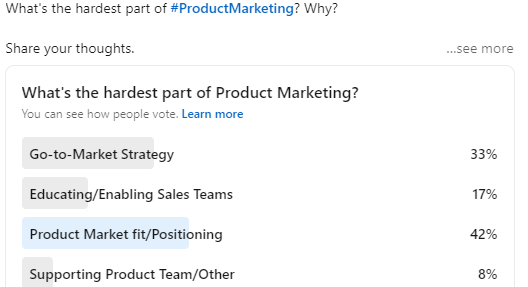
What is the hardest part of Product Marketing?

image

LinkedIn poll of my audience

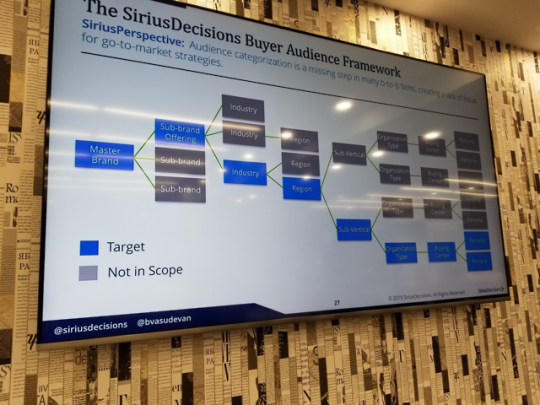
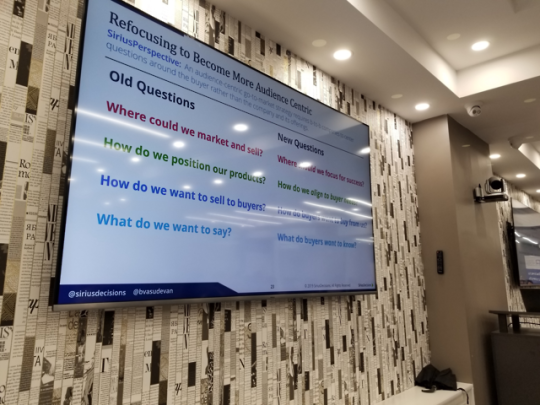
Marketers need to develop and deploy a buyer-centric go-to-market strategy. It is time for marketers to ask better questions about buyers.

image

What is the role of a Product Marketer?

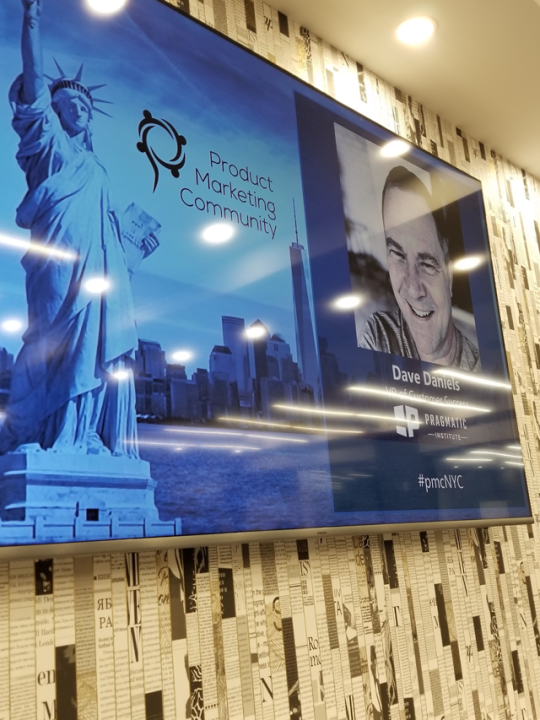
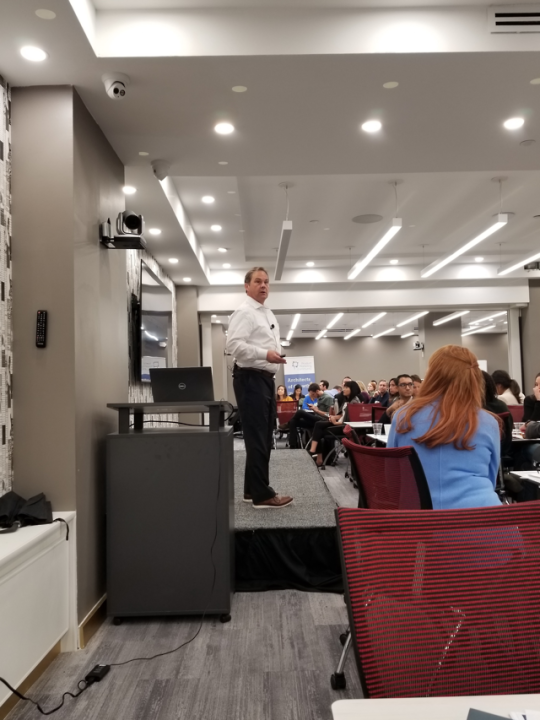
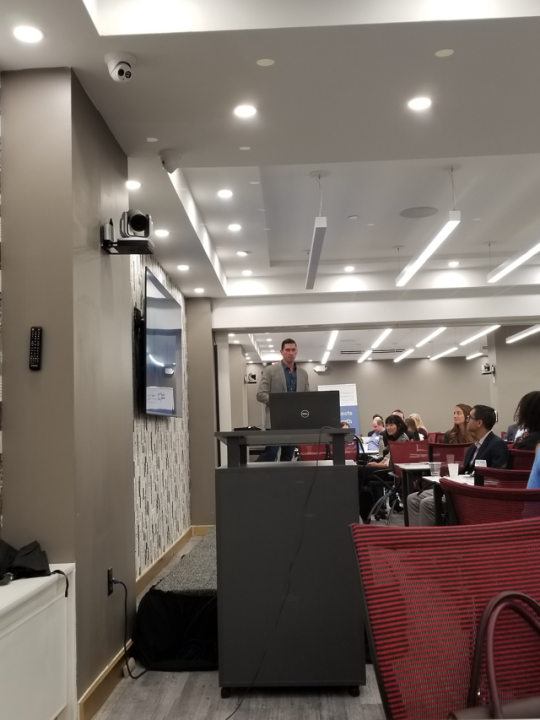
I covered the Product Marketing Community workshop to find out.

Workshop Topics included how to:

  1. Build and execute go-to-market plans
  2. Develop actionable buyer insights
  3. Create effective Messaging and Content for buyers
  4. Enable Sales and Product Teams

Businesses should identify their ideal customer.

image

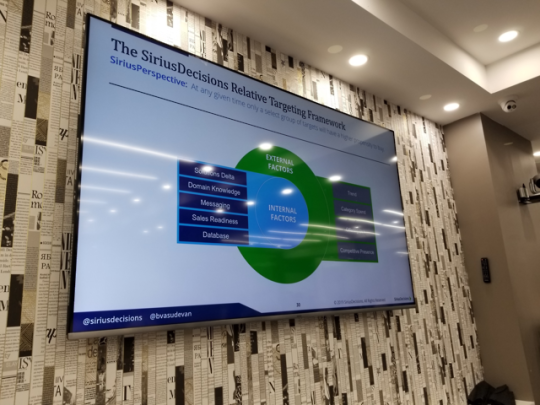
Only certain target customers will buy due to internal and external factors.

image
image

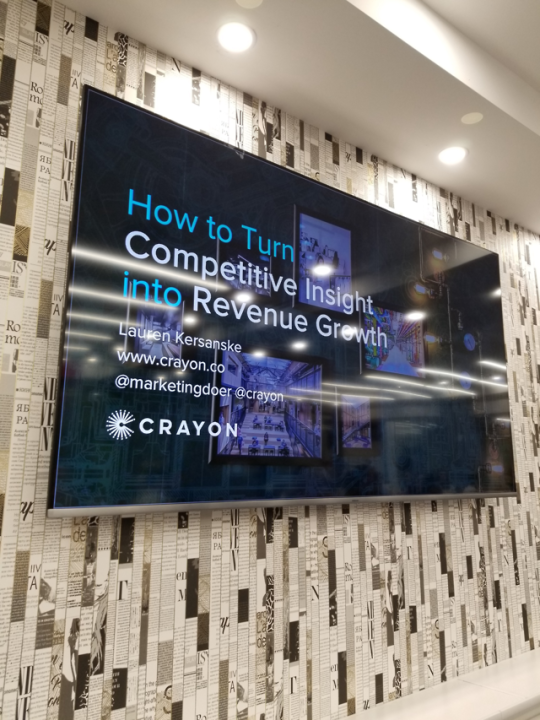
To grow revenue, businesses need to develop and use better competitive insights. Developing these insights entails examining everything about the competition to identify: strengths, weaknesses, competitor priorities, growing, and under-served markets.

image

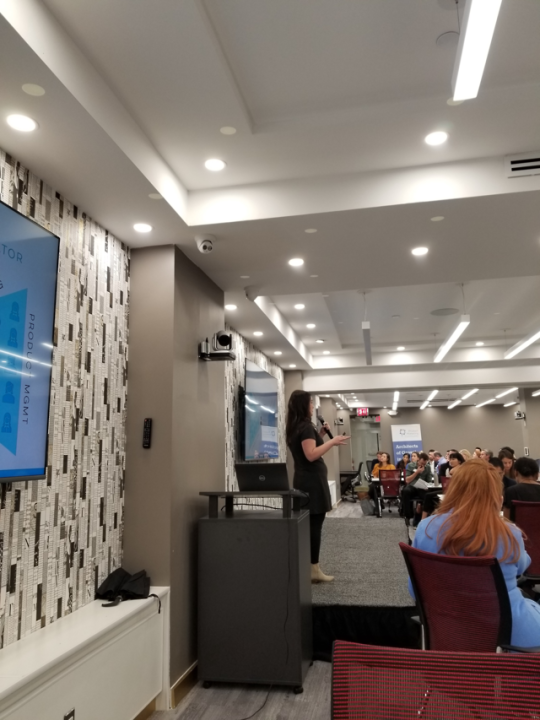
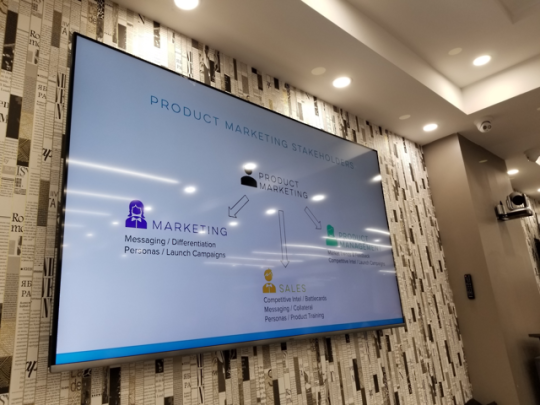
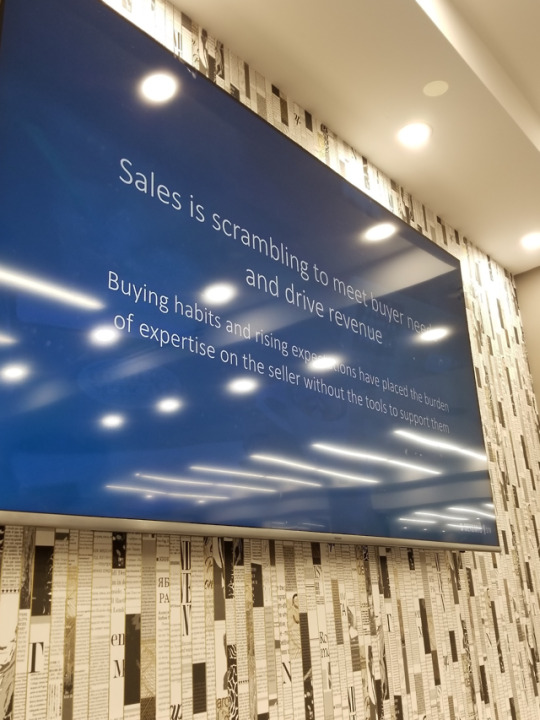
Product Marketing involves more than Marketing and Product Team support. Product Marketers serve Marketing, Sales, and Product teams. Each team has different needs and responsibilities. However, they all grow the business and serve customers.

image

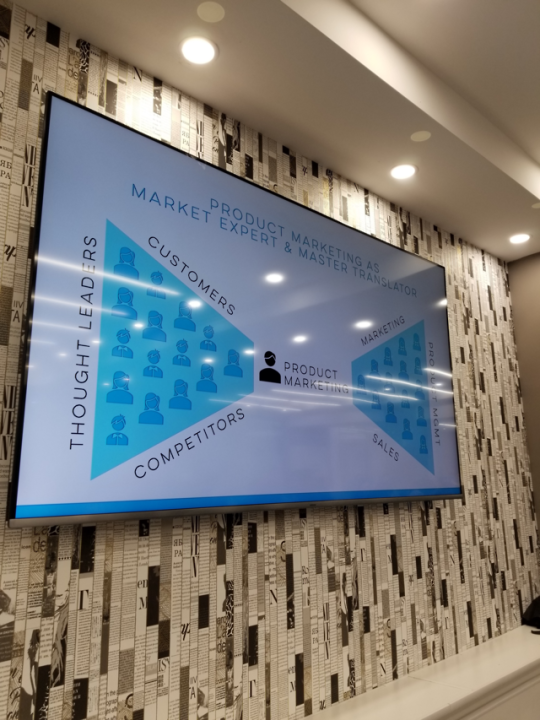
Product Marketers serve as market experts and translators for teams from across the organization.

image
image
image

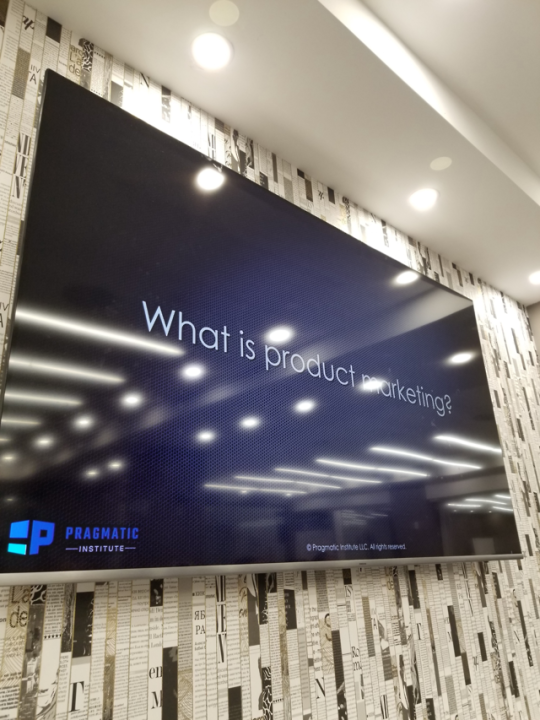
What is Product Marketing?

image

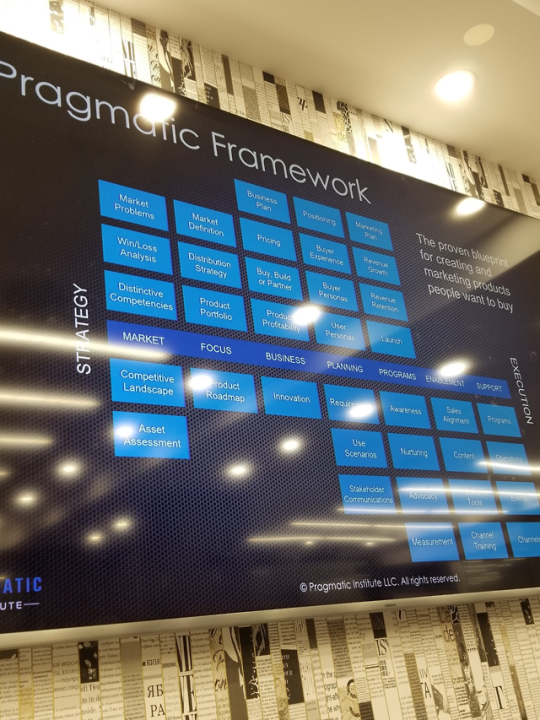
Product Marketing is the discipline of bringing a product to market and nurturing its success. Businesses need to create and market products people want to buy. To do that, they need to use the Pragmatic Framework.

image

Product Marketers are taking on some Product Manager responsibilities

Product Marketing needs a separate brief.

Just as Marketing has a plan or brief, Product Marketing does.


Here are nine things to address in a Product Marketing Brief.

  1. What does your company do? Does your product offering align with your business goals?
  2. What are the features of your product? Do others understand what you are building and why?
  3. Does this Product address gaps in the Market? Include an overview of a Competitive, win-loss and, SWOT analysis.
  4. Who is your ideal customer or target market? Include an overview of findings of demographic, psychographic, and buyer persona research. Does your product solve customer pain points?
  5. How will you measure product success?
  6. What are can go wrong? Can failure be anticipated and corrected?
  7. What is the roadmap and schedule of the product? Who’s responsible and in charge?
  8. Who needs to be included in the project and who needs to approve deliverables?
  9. How will goals be tracked? How often will they be monitored? What insights are you trying to glean from the data?
image

Johnathan Hinz of Seismeic shares his insights on sales enablement and its role in marketing.

image

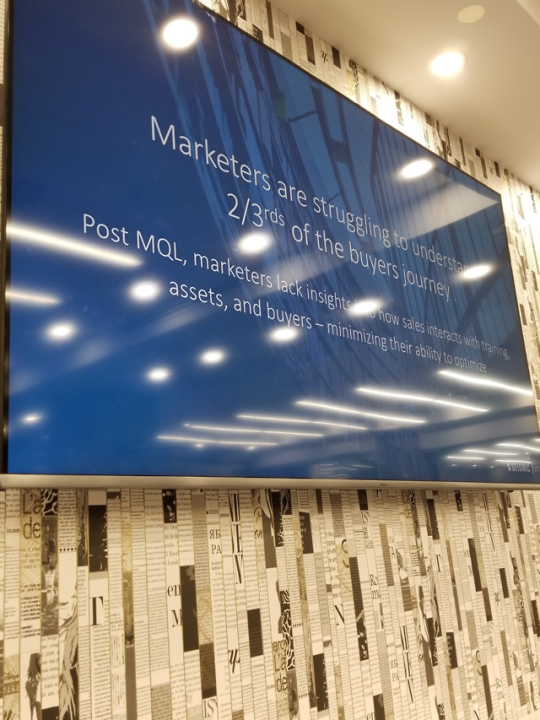
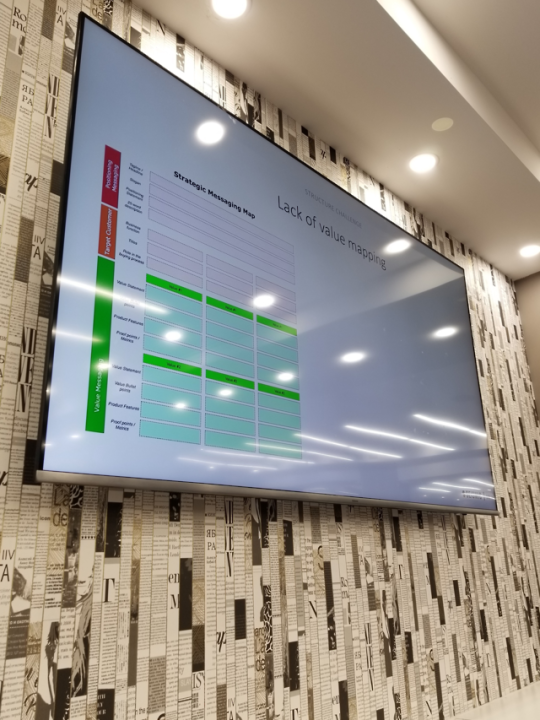
The lack of Sales and Marketing alignment is due in part to the inadequate amount of customer value mapping relating to the number of buyer types.

image
image

Product Marketers, what’s the hardest part of your job?

How do you know if you are successful?

Share your thoughts.

Posted 258 weeks ago

Sales, Marketing & Social Media Today

I write about the three topics that I am most passionate about; Sales, Marketing and Social Media. These topics are covered from my experiences in outside sales and marketing. My objective is to use my expertise to help business and the individual.

9  Key Strategies to Overcoming Sales Objections

In sales, everyone has to be able to overcome objections to be successful. The best way to overcome objections is to prevent them. This can be done by providing a thorough sales presentation that covers all the information about your products and services. Also, you must address any questions the prospect has immediately. However, objections will come up from time to time. Some of these objections are real buying signals and others are just stalls to put you off. As a Salesperson, you need to be able to tell the difference.

Handling Objections & Stalls from Prospects

1.I am happy with my current supplier.

When you call on a prospect they say we are happy with our current supplier, this can mean one of two things. The first is that they are truly happy and the second is that they want you to get lost. (A stall) Obviously, you need to be able to tell the difference. You should be able to tell by a prospect’s body language and level of attention.

If it is the first scenario, you should find out what supplier they currently use. When the prospect tells you it is your job to demonstrate how you are better. Once you feel that you have demonstrated how you are better, ask for a commitment or small order. By asking for a small order, you provide the prospect an opportunity to take a chance on you with minimal risk. I have had a lot of success with this approach.

If the scenario is the second one, the prospect will not provide you with any information or say that they deal with a company or person for 20 years and they do not want to change. In this case, I would still ask for the order. Should the prospect say he is not interested again, I would thank them for their time and leave. You should call on this prospect a few more times and then only call on them every two months. You need to focus your time on prospects that are receptive to you and your offering.

2. I want to think it over.

When you hear this, what the prospect is really saying is I am interested but I am not totally convinced. You should ask the prospect what specifically about this offer do you want to think over? Your goal here is to uncover the real objection. If the prospect gives you a specific answer, you are in business. Address the objection and ask a closing question. Say if I can handle XYZ, is there any reason why you would not purchase this product. Should the prospect say, no you covered everything, this means that they are either stalling, not interested in your offering, or will not tell you the real issue they have with your product. If this is the case, ask when they plan on making a decision and follow-up with them in that time-frame.

3. I need to consult another party

This can be a stall to put you off. You will need to determine this by the prospect’s body language and the level of attention you receive. When the prospect tells you this, you should ask for a meeting with the prospect and the person they need to consult. Should the prospect agree to this, you have a chance. If they will not agree to a meeting, it is a stall and they are not interested in your offering. However, I would still call on them a few more times. If you have no success, call on them every two months.

4. I am not the Decision-Maker- The Columbo Technique

During some cold calls to dental offices, I was not able to obtain the information that I needed to overcome prospect objections. This occurred because the person I was speaking to was not the decision-maker. As a result, they were reluctant to talk for fear that they would say the wrong things or give away too much information on their bosses’ business. Despite their reluctance, I would continue to talk with them, build rapport and bond. I would ask to speak to the decision-maker but many times they were not in the office, or the person I was speaking with would not want to disturb them for fear of getting reamed out when I left the office.

When this was the case, I would use the Columbo technique to get the information that I needed. I would turn to leave the office, put my hand on the doorknob and ask who their supplier was or when I could catch the boss. Usually, the person I was speaking with would provide me with a lot of information about the prospect. Even more, than I expected! This is because the person that I was speaking with put their guard down. After all, they thought I was leaving the office so one last question didn’t seem so bad.

During other cold calls, I was able to speak to the decision-maker. I would build rapport with them and try to obtain as much information as I could to overcome their objections. Many times the prospect would be reluctant to give me information; stating that they were happy with their supplier or they were too busy to speak to me. When they used the supplier objection, I would employ the Columbo technique; turn to leave and ask who their supplier was. Many times they would tell me and I would ask them for few moments of their time to show how my products were better. I would get the time and close the prospect on giving me a trial order. I developed some of my best customers this way. Other times, I was able to obtain a follow-up appointment with the prospect.

The key to the Columbo technique is to get prospects talking. Even if it’s about things not related to their business at first. You want to make them comfortable talking with you. Next, you want to save the question you really want to know for the end of the conversation because the prospect will most likely answer it thinking you are going to leave their office. In other words, their guard is down.

The Columbo technique is a great way to close sales and obtain information.

5. Your price is too high.

Emphasize the quality of your product along with the level of service you will provide. Next, you should demonstrate to the prospect how your offering’s total cost is less than the competitors over the life of the product. Testimonials from loyal customers can also help you here. By taking these steps you demonstrate that your product is valuable and increase your chances of making the sale. (Provided this is the real objection.)

6. We spent our budget.

If they say the money is not the budget, ask If I can offer delayed billing or a payment plan would you be able to take delivery? If the person needs approval from another person, ask to present your product to that individual with your prospect’s endorsement. Should the company really want and need your product, they will find a way to pay for it.

7. I had a bad experience with your company.

I would apologize to the prospect about the experience. Tell them you are the new rep and that you will not let anything bad happen on your watch. Ask them to give you a chance. This will not work all of the time.

8. Call me After the Holidays

During the holiday season, many people are in holiday and party shopping mode. from Black Friday, Cyber Monday, and many other things. Also, everyone is thinking about going to parties. So the last thing on your customer’s and prospects’ mind is to make a year-end purchase; unless they receive a year-end tax advantage. As a sales rep, you are under pressure to close deals so you can earn that bonus. Unless your customer is in a buying mood, you are going to hear the objection “call me after the holidays”. If you have done business with this customer, you will have an easier time than if you are making a cold call.

To combat this objection. You have to attempt to get around this objection. If your offer is time-sensitive or if you can provide a break on pricing or payment through a special promotion for example no payments for 3 months; make your customer aware of them. However, at this time of the year, you will get customers and prospects who just don’t want to deal with you and your offering. As a sales rep, it is your job to be able to tell if the customer and prospect are telling you the truth. In other words, you need to qualify their objections. This means following up with every customer and prospect even when things look bleak.

Should your customers and prospects insist that call you after the holidays, I would find out which holiday they mean. Next, I would pin them down to a specific day and time to call back. I recommend sending your customers and prospects a holiday card with a little note reminding them about the appointment; stating how you look forward to speaking with them on the specific date and time. Once this time comes, I would hold them to their promise. Deliver your presentation and ask for the business.

9. Testimonials and Referrals

Showing Testimonials to a prospect can be a great way for them to trust you enough to make a purchase. If you don’t have any the sale is that much more difficult but not impossible. I have made plenty of Sales without them.

Once you have made a sale to a customer, it is important to follow-up with a customer. As a Salesperson, it is important to deliver on the promises you make to customers. This means checking in with the customer throughout the implementation of your product or service and staying in touch with the customer after the sale. In this post, I am going to discuss how to earn referrals and testimonials.

During my time as an outside sales representative in New York City, making sales was the highlight of my day. Once I made a sale, I was itching to ask for a referral or a testimonial. In other words, I wanted to ask the customer the question Do you know of anyone who could benefit from my product and services? However, once I made the sale my inner voice told me not to ask for a referral. Now many people would want to ask because they feel that the customer bought their products or services and this shows a sign of trust. But what did the customer really buy? Yes, the customer bought you and your products but the main thing that they bought was your promise to deliver value through your offering. How can you ask someone to put their credibility on the line when you and your solution are unproven? Yet many people do.

Asking for a referral right after the sale is a mistake because you have not delivered on your promise and you will seem ungrateful. The customer will think that you are not interested in building a relationship and that you just want to make a commission. Remember your job as a Salesperson is to build relationships with customers and to make sales by demonstrating the value of your products to the customer. Once the sale is complete, it is your job to deliver on the promises that you make to your customer.

Now you are thinking well this is great but when do I ask for a referral? How do I ask for a referral?

I would ask the customer for a referral when you know the customer is happy with the implementation of your product or service. In other words, ask when you have delivered on your promise. If you offer more than one product or service try to cross-sell or upsell the customer first. See if the customer will use more of your products or services or if the customer purchases more expensive offerings from you. Once the customer purchases more items from you, the customer is demonstrating that they like and trust you. This is the time to ask for a referral. I usually waited until this point to ask for a referral.

I would ask the customer for a referral by first thanking them for the business that they have provided and trusted me with. Then I would ask if they knew of anyone like themselves that would benefit from my offering. My experience has taught me that the customers were always willing to offer themselves as a reference. Customers who offered me a referral would let me use their names with other clients or pass my name along to their peers.

Testimonials are like referrals. Testimonials can come in a variety of forms. There are a testimonial letter and a testimonial video. The testimonial letter is when a customer writes a letter stating that you did a wonderful job for them and endorses you. The digital version of this letter is the recommendation feature on LinkedIn. The testimonial video is when a client speaks of your performance in a short video segment.

When asking for a testimonial, offer the customer the option to choose the option they feel comfortable with. Also, be sure to tell them what specific aspect of your service you want them to focus on. Once you receive a referral and/or testimonial, make sure to thank your customer. Should you get new business through a referral, provide great service otherwise your customer will not give you anymore! Keep your customer informed on the status of the relationship with the referral.

This is how to handle objections in a nutshell.

What objections did you face?

How did you handle them?

Comment and share.

Posted 271 weeks ago